
Key Takeaways
- Lead abatement permanently removes or seals lead-based paint hazards, unlike standard repainting or repairs.
- Homes built before 1978 are the most likely to contain lead paint and should be tested before any renovation.
- The EPA recognizes four abatement methods: removal, encapsulation, enclosure, and component replacement.
- Lead abatement is legally distinct from RRP work and requires separate certification.
- A licensed, EPA-certified contractor is required by law for most abatement projects, not just recommended.
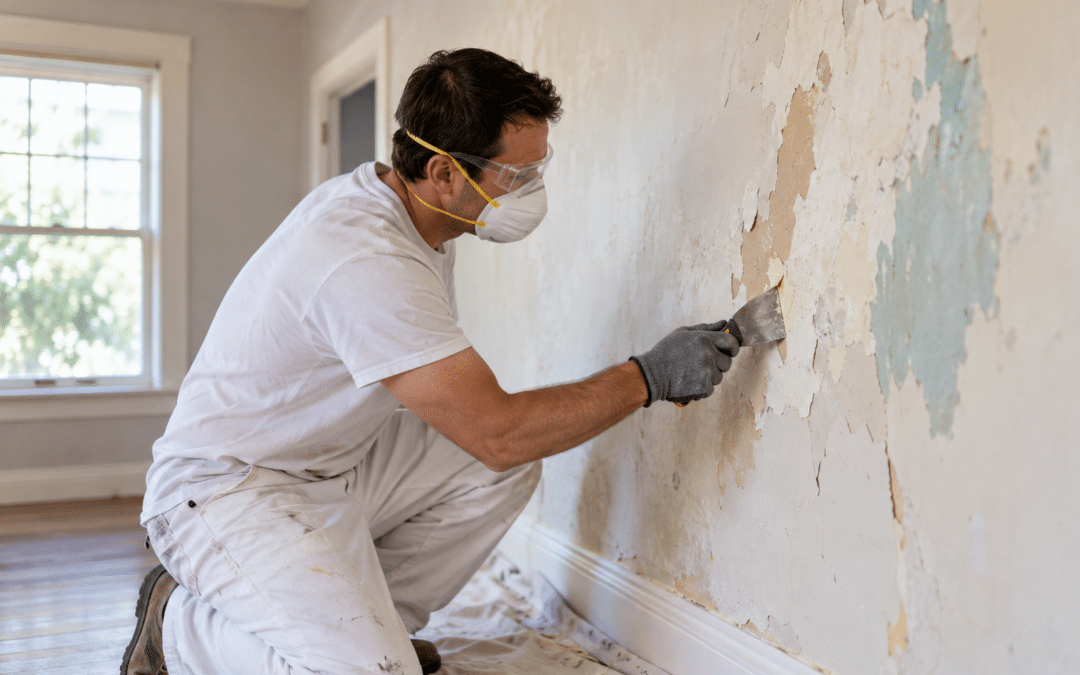
Lead abatement is the permanent removal or sealing of lead-based paint hazards in a home, required when paint from before 1978 is peeling, chipping, or disturbed by renovation work.
If you have owned an older home in the Bay Area, you have probably run into the question at some point during a repaint or remodel: is this paint safe to sand, scrape, or disturb at all? Professional house painting is not just about color and finish. On homes built before 1978, it often starts with figuring out what is actually in the paint itself, and that is where lead abatement comes into the conversation. A painting crew that understands lead paint protocols can mean the difference between a smooth project and a serious health and legal liability.
What Is Lead Abatement?
So what is lead abatement, exactly? It is a specific, regulated process designed to permanently eliminate lead-based paint hazards from a property, not just cover them up for a season or two. The Environmental Protection Agency defines abatement as work intended to permanently address lead hazards, which sets it apart from ordinary maintenance or touch-up painting.
This matters because lead paint was used in most American homes before it was banned for residential use in 1978. When that paint chips, peels, or turns to dust during sanding, it becomes a serious health hazard, particularly for young children and pregnant women. Lead abatement exists specifically to deal with that hazard for good, using EPA-approved methods rather than a quick coat of paint over the problem.
The Four EPA-Approved Abatement Methods
The EPA recognizes four accepted ways to abate lead paint, and understanding them helps homeowners know what to expect from a proper project.
Removal and Replacement
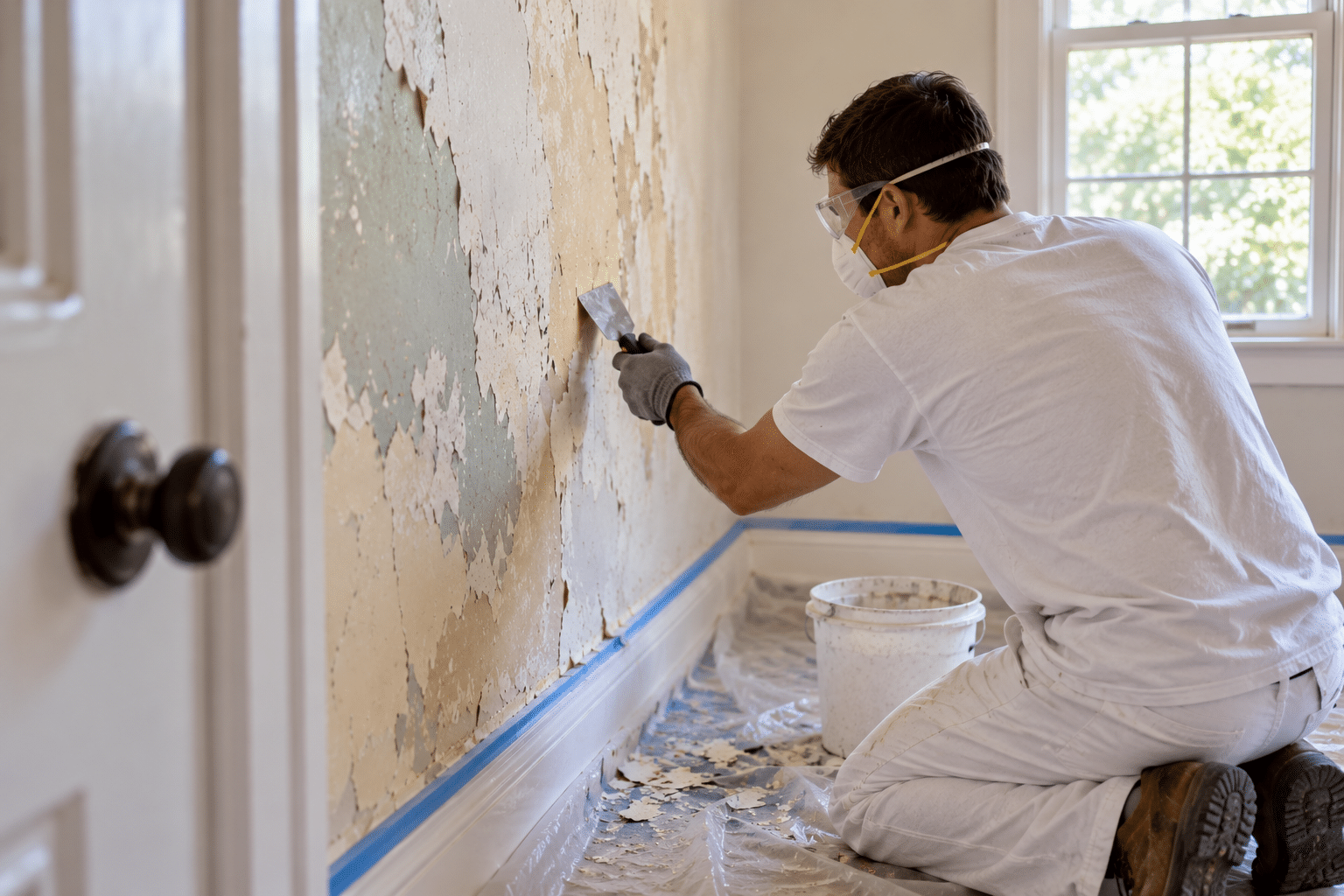
Removal involves physically stripping lead paint from a surface using low-dust, contained techniques, or replacing the entire component, such as a window or door, if the paint cannot be safely removed. Replacement is often the more practical choice on older trim and siding that has already taken damage over the years.
Encapsulation and Enclosure
Encapsulation seals lead paint under a specialized heavy-duty coating designed to lock it in place permanently. Enclosure takes a different approach, covering the hazardous surface entirely with new material like drywall or siding panels. Both methods are legitimate long-term solutions when full removal is not practical or necessary.
Lead Abatement vs. Lead RRP: What’s the Difference
One of the most common points of confusion homeowners run into is the difference between lead abatement and RRP, which stands for Renovation, Repair, and Painting. They can look similar on the surface, but they are not the same thing under EPA rules.
RRP work is meant for routine renovation or repair projects where lead paint might be disturbed, such as replacing a window or repainting trim. RRP contractors follow lead-safe work practices to contain dust and debris, but the goal is completing the renovation, not permanently eliminating the lead hazard itself. Abatement, on the other hand, is a specialized activity whose entire purpose is permanently addressing the lead hazard. A contractor performing true abatement needs separate, more rigorous certification than one performing standard RRP work.
Signs Your Home May Need Lead Abatement
Homeowners often notice something is off long before they know the technical term for it. A few common signs to watch for:
Visible Wear and Age
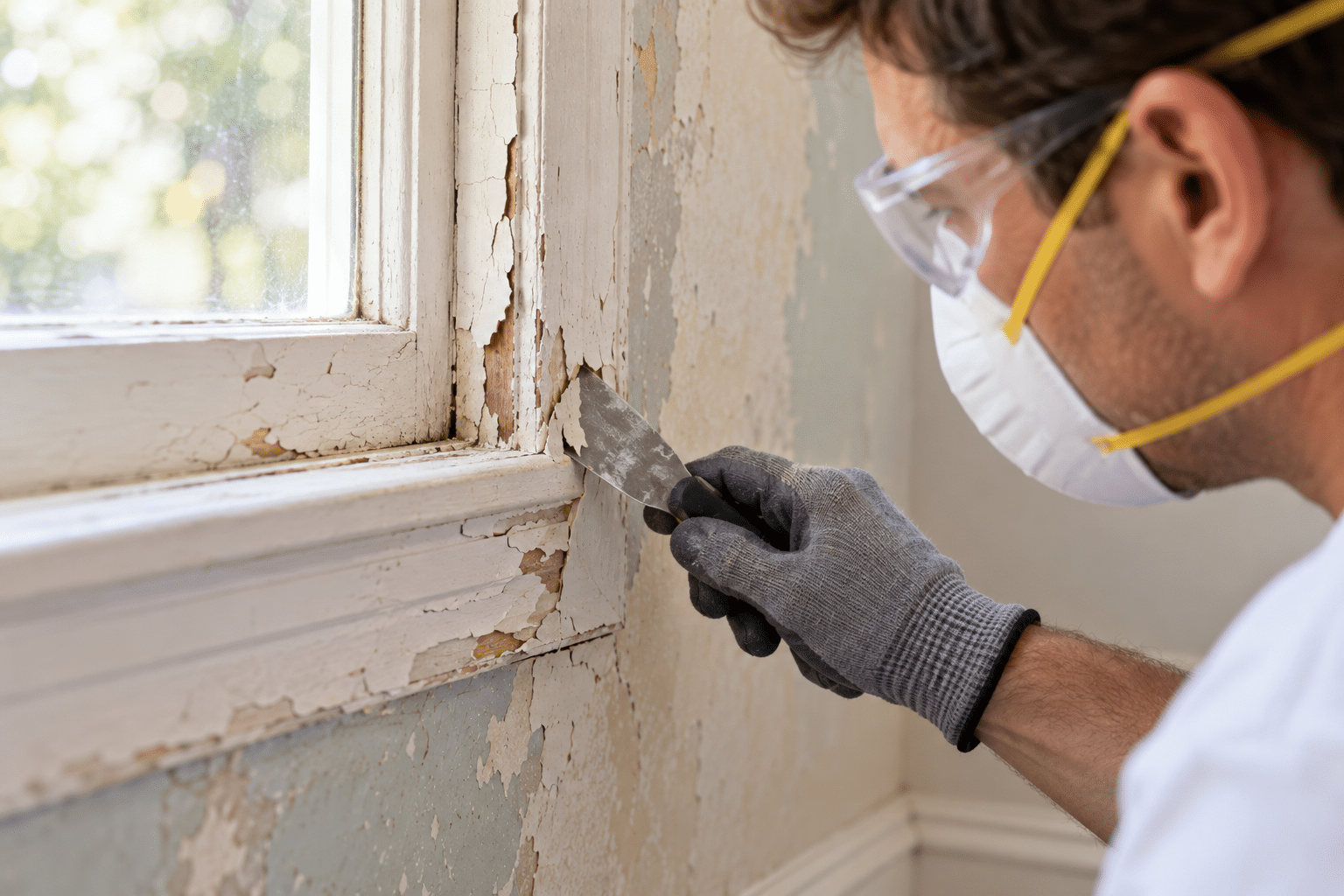
- Peeling, cracking, or alligatoring paint, especially around windows, doors, and trim
- Chalking paint that leaves a powdery residue when you run your hand over it
- Heavy wear in high-friction spots like window sashes, stair rails, and door jambs
- A home built, or last painted, before 1978 that has never been tested
Renovation and Dust Concerns
- Sanding, scraping, or demolition planned on any painted surface
- Visible paint chips or fine dust in soil near the foundation or play areas
- Water damage or moisture causing paint to bubble, crack, or lift
- Multiple layers of old paint with no record of what’s underneath
How Are Lead-Based Paint Hazards Identified?
Visible signs are a starting point, but formal identification requires actual testing, not guesswork.
Testing and Inspection Methods
A certified risk assessor typically uses an XRF device to test painted surfaces directly, along with paint chip sampling sent to a lab and dust wipe testing on floors and windowsills. These methods confirm not just whether lead is present, but whether it currently poses a hazard that requires action.
Why the Right Test Matters
Skipping proper testing and assuming a surface is safe, or unsafe, based on appearance alone is one of the more common and costly mistakes homeowners make. A proper inspection gives a clear, documented basis for deciding whether abatement is actually required.
Why Lead Abatement Requires a Licensed Professional
Lead abatement is not a do-it-yourself project, and this is not just a legal formality. Workers and firms performing abatement must complete EPA-mandated training and hold specific certification, because the process involves handling a toxic substance in a way that can easily go wrong without the right containment and disposal practices.
A licensed professional understands how to contain dust, dispose of hazardous material properly, and confirm through clearance testing that the space is genuinely safe afterward. Attempting this without training risks spreading contamination further through a home rather than solving the problem, which is exactly the outcome abatement is meant to prevent.
How to Choose the Right Lead Abatement Contractor
Not every painting or renovation company is equipped or certified to perform lead abatement. When vetting a contractor, ask directly about their EPA lead-safe certification, their experience with the specific abatement method your home needs, and whether they provide documentation and clearance testing once the work is finished. A contractor who explains the process clearly and answers these questions without hesitation is usually a good sign you are working with someone who takes the regulations seriously.
Protect Your Home and Family With Professional Lead Abatement
At its core, lead abatement is about permanently removing a hidden but serious health risk from a home, not simply painting over it and hoping for the best. For families in older Bay Area homes, understanding what lead abatement involves, and knowing when a project has crossed from routine painting into abatement territory, is one of the most important steps in protecting long-term health.
McCarthy Painting provides comprehensive commercial and residential painting services based in the San Francisco Bay Area. We provide expert residential and commercial painting services across San Francisco, Marin, and surrounding California areas, including specialized protective coatings, surface preparation, and long-lasting exterior solutions.
Residential
Our residential team understands the realities of older Bay Area homes, from Victorian-era properties to mid-century houses that may still carry lead-based paint beneath newer layers.
Commercial
For commercial properties, we bring the same attention to surface preparation and durability, ensuring finishes hold up under daily wear and changing weather.
Our Services
Our team ensures proper application and durability for both homes and commercial properties, delivering high-quality finishes built to withstand time and weather. Contact us today at 415-383-2640 to talk through your project.
Frequently Asked Questions
How do I find out if my home has lead paint?
The most reliable way is to hire a certified inspector to test your home using XRF equipment or lab-tested paint chip samples, since visual inspection alone cannot confirm lead content.
Is lead paint still dangerous if it’s not peeling or chipping?
Yes. Intact lead paint can still create hazardous dust during routine friction from windows and doors, or if it is disturbed during future renovation work.
Does homeowners insurance cover the cost of lead abatement?
Coverage varies widely by policy and insurer, so it is worth reviewing your specific policy language and speaking directly with your insurance provider before assuming any costs are covered.
How long does a typical lead abatement project take?
Timelines depend heavily on the size of the area affected and the abatement method used, ranging from a few days for a single room to several weeks for a whole-house project.
Am I legally required to complete lead abatement before selling or renting my home?
Federal law requires disclosure of known lead hazards before selling or renting a pre-1978 home, though specific abatement requirements can vary by state and local jurisdiction.

Editorial Review by Greg Owens, Owner & CEO, McCarthy Painting Company
Greg Owens is the Owner and CEO of McCarthy Painting Company, a family-owned painting contractor serving Marin County and the San Francisco Bay Area since 1969. Having worked with the company since 1990, Greg has more than three decades of hands-on experience in residential and commercial painting, surface preparation, protective coatings, wood restoration, and long-term property maintenance. Under his leadership, McCarthy Painting has completed projects for homeowners, commercial property managers, and organizations throughout the Bay Area while maintaining a reputation for quality craftsmanship, professionalism, and exceptional customer service. Greg reviews educational content to help property owners make informed decisions about painting, maintenance, and protecting their investment.