
Key Takeaways
- Retail store painting is usually scheduled at night, on weekends, or in phases so customers and staff aren’t disrupted.
- Brand colors should be matched from official specifications and tested under the store’s own lighting.
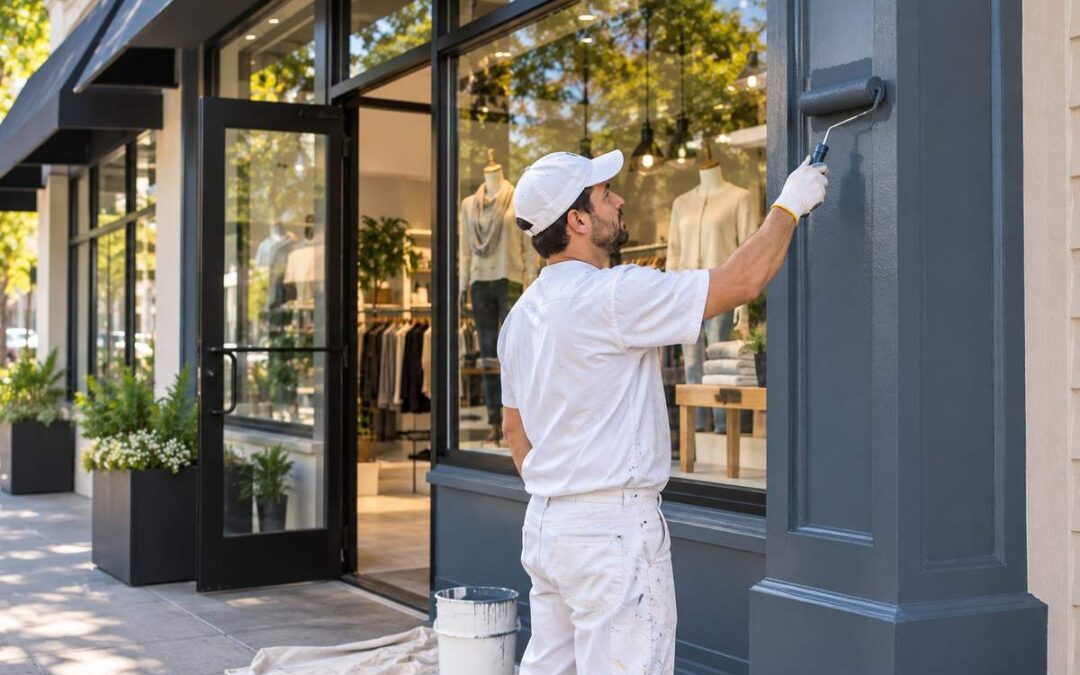
- Storefront painting shapes first impressions, so exterior surfaces deserve the same care as the sales floor.
- High-traffic walls need washable, scuff-resistant finishes, not the flat paint used in a quiet office.
- Leases and shopping center rules often control colors, work hours, and access, so check them before scheduling.
Retail store painting works best after hours or in phases, with brand-matched colors, durable finishes, and early landlord approvals, so the store stays open and looks its best.
A tired, scuffed store sends a message before anyone reads a price tag. Fresh paint is one of the simplest ways to make a retail space feel cared for, but it comes with a challenge offices and homes don’t have: the business has to keep running. Retail store painting is less about the paint itself and more about timing, planning, and getting the details right for your brand. Greg Owens, owner of McCarthy Painting, has led commercial projects across San Francisco and the Bay Area for decades, and the first conversation he has with a retail client is rarely about color. It’s about when the crew can be in the building.
Why Retail Painting Is Different From Other Commercial Work
Customers Are Part of the Equation
In an office, painters work around employees. In a store, they work around customers, and customers are the business. Ladders in the aisles, drop cloths over displays, or the smell of fresh paint can shorten visits or keep people out altogether. Even small disruptions matter when a store depends on walk-in traffic.
The Space Never Really Rests
Sales floors take constant wear from carts, shoulders, bags, and fixtures being moved. Walls get scuffed faster than in most commercial spaces, and touch-ups have to blend in seamlessly with the rest of the store. Corners near the entrance and the wall behind the register usually show wear first.
Deadlines Are Tied to Business
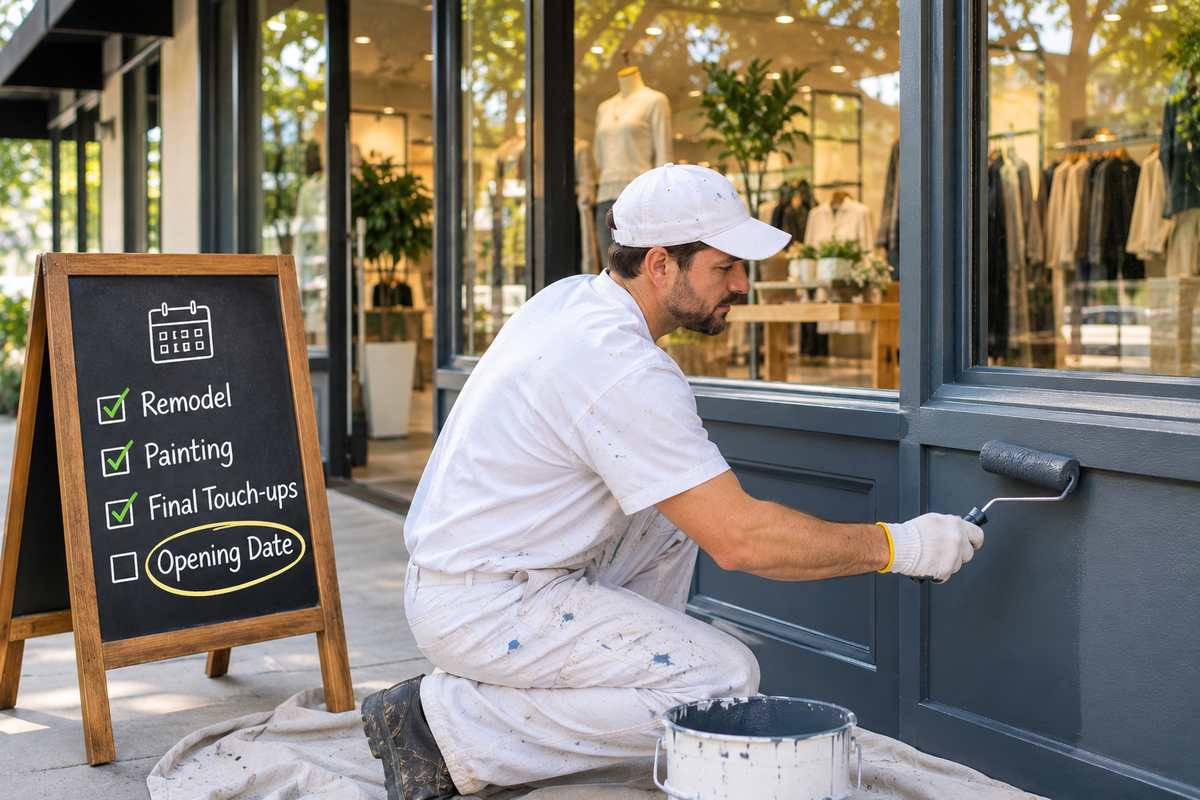
Retail projects often revolve around a grand opening, a remodel, a seasonal reset, or a lease turnover. Missing the date can mean lost sales, so planning and reliable scheduling matter as much as workmanship. Building a little extra time in before an opening date leaves room for final touch-ups without a last-minute rush.
Painting Without Closing Your Doors: Nights, Weekends, and Phased Work
For most stores, closing for painting isn’t an option. The good news is that it’s rarely necessary.
Working After Hours
The most common approach is painting while the store is closed. As Greg explains, “When does the store close? Oh, the store closes at 9:00 PM. Then we’re gonna start at 9:00 PM and then work through the night.” By morning, the area is cleaned up and ready for customers. Crews protect floors and fixtures while they work, then remove drop cloths and equipment before opening, so staff arrive to a ready store.
Why Not Paint During Business Hours?
Even with low-VOC products, painting during open hours creates problems. Greg’s experience is that “that smell and odor and work will drive the workforce away,” and store owners don’t want crews working around their customers. After-hours work keeps the shopping experience normal.
Phasing Larger Stores
For bigger spaces, the work can be split into sections over several nights or weekends. One wall, department, or zone is completed at a time, so the rest of the store stays fully shoppable. A clothing store, for example, might have the fitting rooms and back wall painted one week and the front displays the next.
What It Means for Scheduling
Night and weekend work takes more coordination. Work hours, building access, and parking all need to be agreed on in advance. In California, labor laws also mean overtime applies to after-hours work, which is worth factoring into planning. In busy areas like downtown San Francisco, it also helps to settle early where crews will park and unload, since Greg counts parking among the first details to work out with commercial clients.
Matching Brand Colors and Store Standards
For chains, franchises, and brands with a defined look, color accuracy isn’t a matter of taste. It’s a requirement.
Start From the Official Specification
Brand colors should come from the company’s design standards: paint brand, color name or code, and sheen. Matching by eye from an old wall often goes wrong, because faded paint no longer reflects the original color.
Test Under Your Lighting
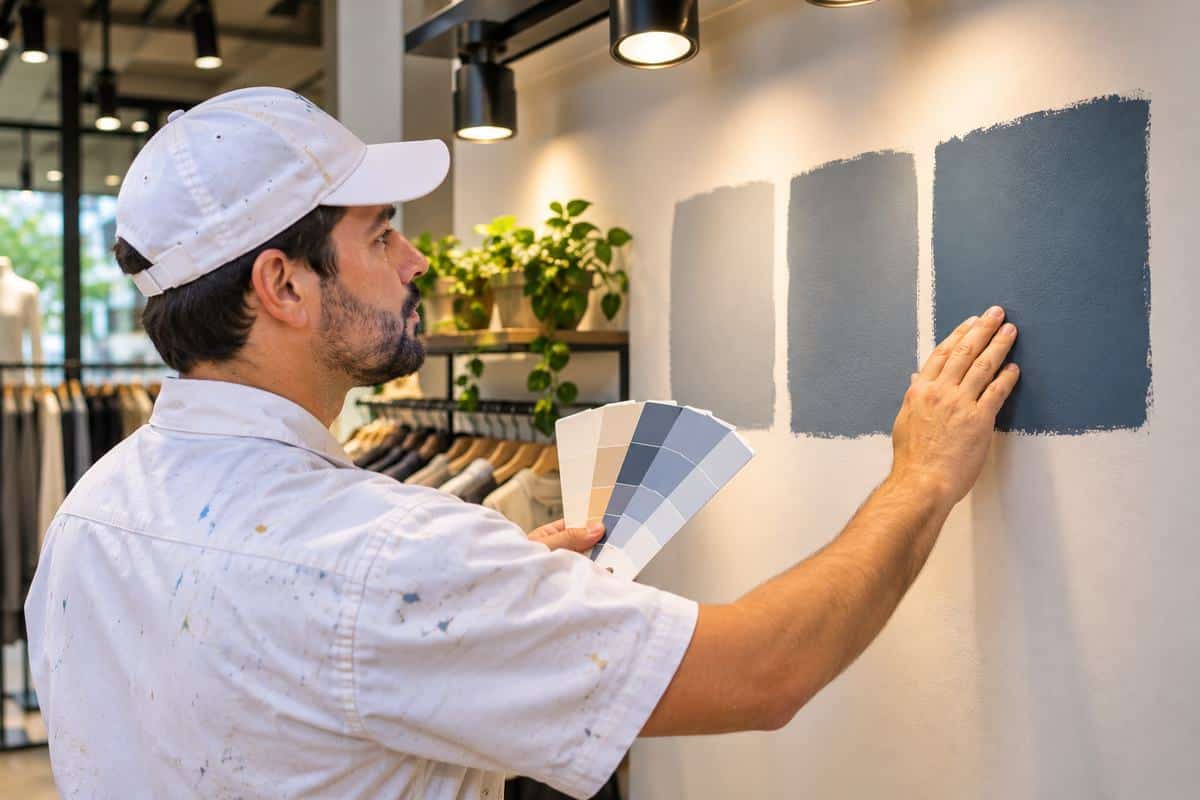
Store lighting changes how color looks. A sample patch viewed under the store’s actual fixtures, at night if that’s when crews work, helps catch problems before a whole wall is finished.
Keep Locations Consistent
If you operate more than one store, using the same products and specifications at every location keeps the brand recognizable. Keeping a written record of colors and sheens also makes future touch-ups much easier. Ask your painter to leave labeled leftover paint for each color, so small repairs can be matched exactly later.
Storefront and Exterior Painting for Curb Appeal
Your storefront is often the first thing customers see, sometimes before they decide to walk in.
First Impressions Count
Faded trim, peeling paint around the entrance, or a weathered facade can make a store look neglected, even if the inside is spotless. Good storefront painting signals that the business is open, active, and cared for. Doors and frames get the most handling, so they often need fresh paint before the surrounding walls do.
Built for Bay Area Weather
Exterior surfaces in San Francisco and Marin face fog, moisture, sun, and in some areas salt air. Proper prep, the right primers, and exterior-grade coatings matter more than color alone when it comes to how long the finish lasts.
Working Around Entrances and Sidewalks
Exterior work near doors and sidewalks needs safe access for customers. Many storefront projects are scheduled early in the morning or after closing, with entrances kept clear and wet paint clearly marked.
Finishes That Hold Up to Daily Retail Traffic
Choose Washable Over Flat
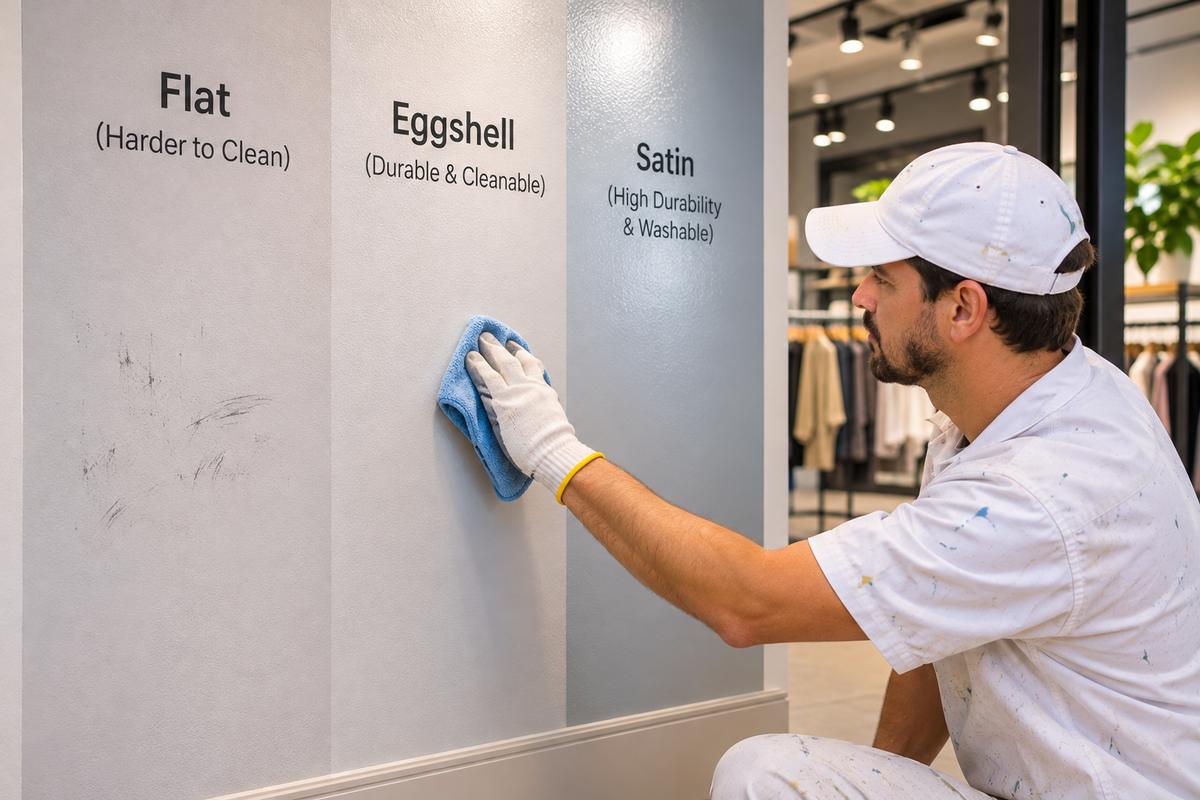
Flat paint hides imperfections but marks easily and doesn’t clean well. In sales areas, eggshell, satin, or scrubbable commercial finishes hold up better to scuffs and regular cleaning.
Match the Finish to the Space
Not every area needs the same treatment. High-contact walls near registers, fitting rooms, and entrances benefit from the most durable finishes, while ceilings and low-traffic areas can use flatter sheens. Door frames and trim usually get a semi-gloss finish, which stands up well to frequent contact and wipes clean easily.
Consider Low-VOC Products
Low-VOC paints reduce odor and are a sensible choice for occupied commercial spaces. Even so, good ventilation and after-hours scheduling remain the best way to keep any smell from reaching customers.
Working Within Landlord and Shopping Center Rules
Read the Lease First
Many retail leases require landlord approval for exterior colors, signage areas, or major interior changes. Some also spell out who is responsible for painting at move-out. If your store is in a downtown or historic area, exterior color changes may also need city review, so it’s worth asking before choosing new colors.
Shopping Center and Mall Requirements
Centers and malls often set rules on work hours, contractor insurance, parking, deliveries, and access to loading areas. Some require crews to check in with security or work only after the center closes.
Plan Approvals Early
Approvals can take time, so it’s best to start the conversation with your landlord or property manager before scheduling the work. A painter experienced with commercial properties can provide insurance certificates and work plans that landlords typically ask for.
Ready to Refresh Your Store Without Disrupting Business?
Retail store painting goes smoothly when the schedule fits around your customers, the colors match your brand, and the finishes are chosen for real-world wear. With after-hours work, phased planning, and approvals handled early, your store can look fresh without losing a day of business.
At McCarthy Painting, we provide expert residential and commercial painting services across San Francisco, Marin, and surrounding California areas, including specialized protective coatings, surface preparation, and long-lasting exterior solutions. Our team ensures proper application and durability for both homes and commercial properties, delivering high-quality finishes built to withstand time and weather.
Contact us today at 415-383-2640 to schedule your free estimate, or explore our Residential, Commercial, and Our Services pages to learn more.
Frequently Asked Questions
Can you touch up just the high-traffic walls between full repaints?
Yes. Touching up high-contact areas like entrances, register walls, and fitting rooms can keep a store looking fresh between full repaints. Keeping labeled leftover paint from the last project makes the match much easier.
What should I do to get my store ready before the painters arrive?
Clear merchandise and displays away from the walls being painted, and secure anything fragile. Your painter can tell you which fixtures need to move and what they can cover in place.
Will the paint smell still be noticeable when we open the next morning?
With low-VOC paint and good ventilation, odor usually fades significantly overnight. Ask your painter about products and ventilation if your store opens soon after work ends.
What happens to our signage and window graphics during storefront painting?
Signage and window graphics are usually masked and protected while the surrounding surfaces are painted. If a sign needs to come down, it’s typically removed and reinstalled by your sign company, so agree on who handles it before work starts.
Do you also paint stockrooms, restrooms, and back offices?
Yes. Back-of-house areas can be painted at the same time or scheduled separately, and they’re often a good place to start because they don’t affect customers

Editorial Review by Greg Owens, Owner & CEO, McCarthy Painting Company
Greg Owens is the Owner and CEO of McCarthy Painting Company, a family-owned painting contractor serving Marin County and the San Francisco Bay Area since 1969. Having worked with the company since 1990, Greg has more than three decades of hands-on experience in residential and commercial painting, surface preparation, protective coatings, wood restoration, and long-term property maintenance. Under his leadership, McCarthy Painting has completed projects for homeowners, commercial property managers, and organizations throughout the Bay Area while maintaining a reputation for quality craftsmanship, professionalism, and exceptional customer service. Greg reviews educational content to help property owners make informed decisions about painting, maintenance, and protecting their investment.